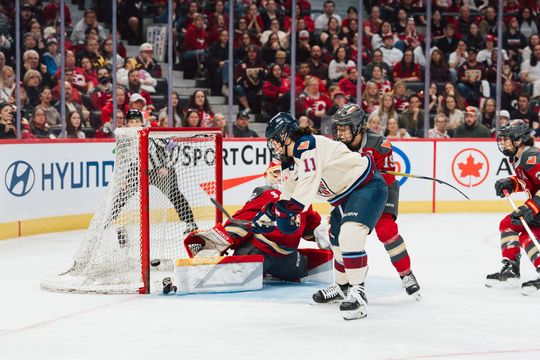
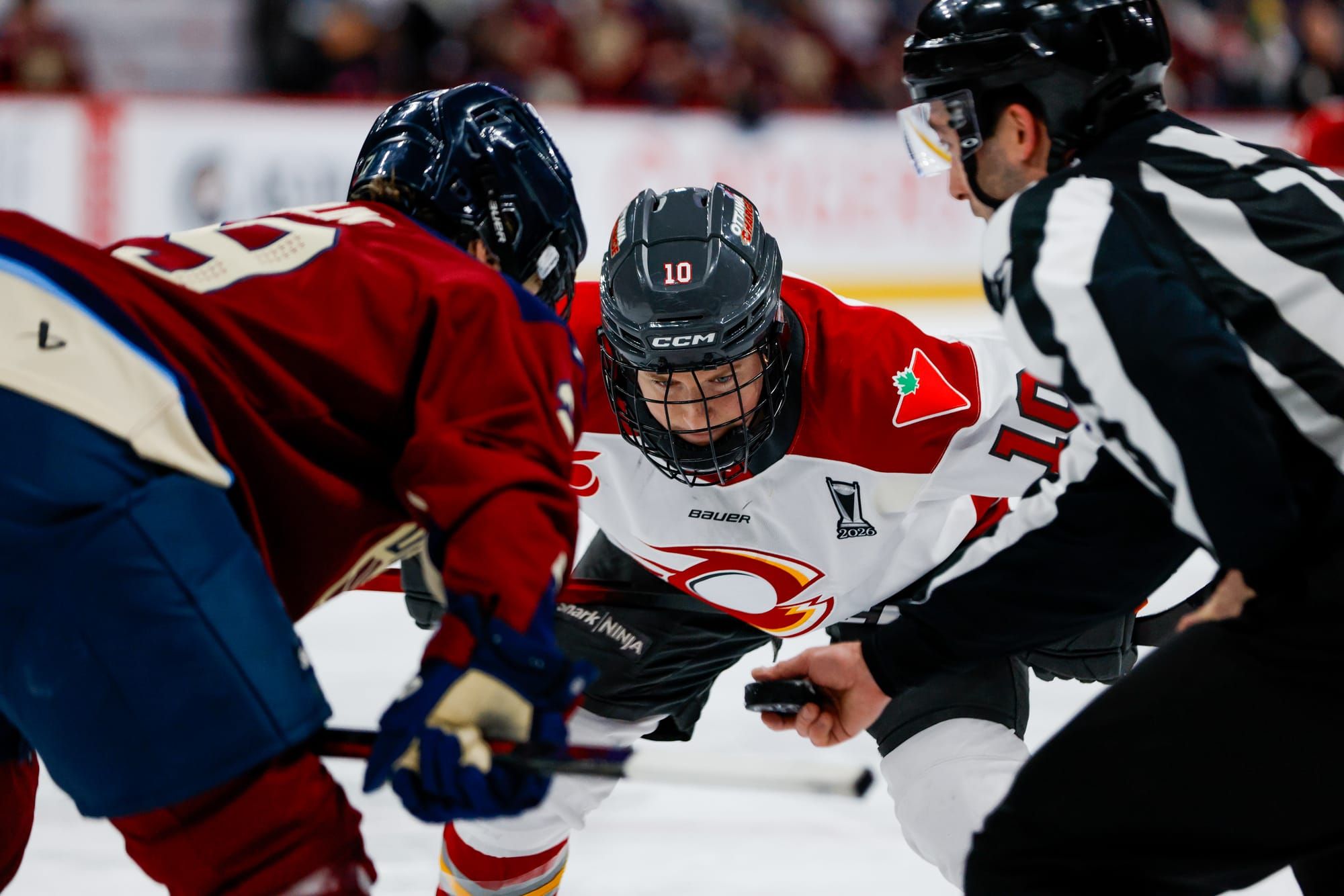

With an overtime win on Saturday, Montreal is just one win away from lifting the Walter Cup. After falling 3-2 in overtime to open the Walter Cup Finals, Ottawa Charge head coach Carla MacLeod emphasized that it wasn't a one-and-done. But with the Victoire now carrying a 2-0 lead in the best-of-five series, Monday's game three may well become one.
Key Takeaways
- The mental game: Once again, MacLeod reviewed her team's performance with an insistently positive tone.
"You just trust the process at this point in the season, and we know good things will come our way."
With both losses having come in overtime, it's easy to point out the games could've gone either way, and that the Charge are doing plenty right. But it may also be easier said than done to continue trusting a process that hasn't produced the needed outcome, knowing the next loss will be the last.
"You don't get discouraged, you just keep going," MacLeod said. "My goodness, I tell you, I'm probably the proudest coach on the planet. We know where we're going. We've got a mission in front of us, we're going to continue it." - Transitional play: Much of the game involved broken plays, reflective of good work getting sticks in lanes to intercept opponents, but both teams will want to do a better job of turning momentary disruption into sustained possession. Game two also showcased a tendency to try to force stretch passes that weren't there, leading to missed opportunities at best and turnovers at worst.
- Pucks on net: As Emily Clark told reporters postgame, "this league's physical, this league has great goalies, you've got to get a lot of shots." But the Charge didn't manage to get more than six shots on goal in any period on Saturday, reverting to a longstanding pattern.
- Officiating: It's easy to single out the apparent missed tripping call that preceded the Victoire's winning goal, but the referees allowed several potential infractions against both sides all game, including in the overtime period. Whether this comes from a league directive or simply the tendency of referees – across all leagues and competitions – to pocket their whistles in big games, it's worth interrogating to what extent officials impact a match through their reticence to do exactly that.
- Line changes: The long change in overtime was a factor in both games, whether that be players getting caught out defensively, or opportunistic changes allowing a team to maintain offensive pressure. And with the series now moving to Ottawa, it's worth keeping an eye on the matchups and whether the Charge are able to utilize the last change to limit the effectiveness of Montreal's depth players, who have been strong so far in the series.
- Home ice advantage: As the teams travel to the Charge's adoptive home at the Canadian Tire Centre, Kori Cheverie pointed to some of the differences the change of venue makes. "The rink itself is even different, the boards are different, the corners are different," she said, in comparison to Ottawa's usual arena at TD Place, which has garnered a reputation for the unique bounces generated by its short corner radius. So far, the switch hasn't seemed to diminish the Charge's home ice advantage: they won both games they hosted in the semifinals.
- Managing emotions: With the potential to lift the Walter Cup just one win away, Marie-Philip Poulin's key message is simple: stay in the present moment and focus on themselves. "We want to just continue with the momentum we have," she said.